2026-07-17
Custom Printing Wall Art That Fits the Space
Custom printing wall art turns blank interiors into precise, lasting statements. Learn how to plan artwork, surfaces, scale, and finish for lasting impact.
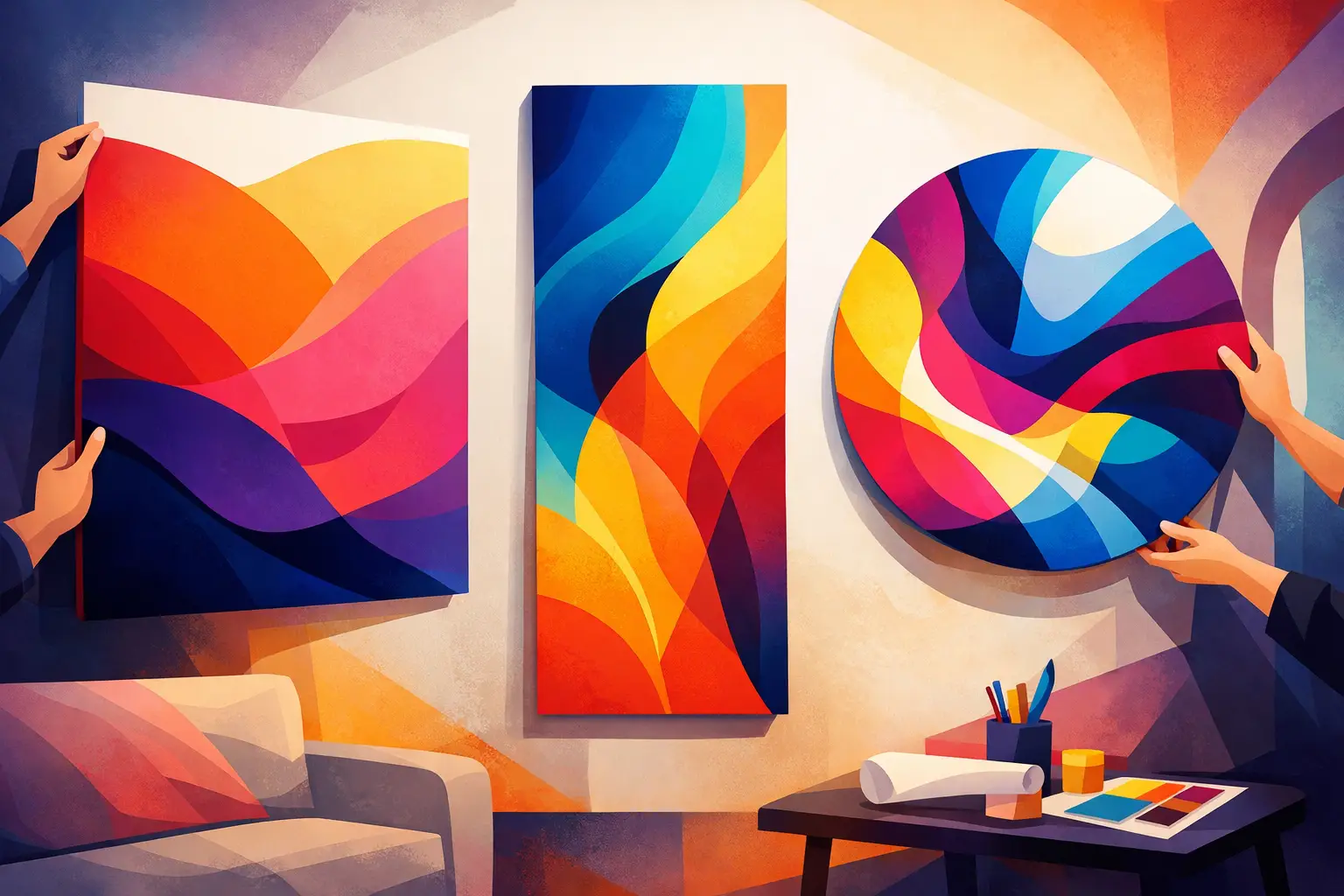
A blank wall is rarely just a blank wall. In a home, it can be the surface that makes a room feel finished. In a workplace, retail space, restaurant, or lobby, it can carry the first visual message people receive. Custom printing wall art gives that surface a defined purpose, with artwork designed around the room rather than selected from a generic catalog.
The strongest results do more than fill empty space. They account for viewing distance, lighting, furniture, architectural details, and the feeling the space needs to create. A high-resolution botanical mural can bring calm to a bedroom. A bold brand installation can give a reception area authority. The method is flexible, but the planning behind it is what separates a statement surface from a large image that simply happens to be on a wall.
What Makes Custom Printing Wall Art Different
Traditional framed art, wallpaper, and vinyl graphics all have a place. But each comes with constraints. Framed pieces occupy only part of a wall and can feel disconnected from the architecture. Wallpaper relies on repeating patterns and seams, while vinyl can introduce edges, layering, or limitations on textured surfaces.
Direct-to-surface printing approaches the wall as the canvas itself. Artwork is printed in place, allowing a design to follow the exact dimensions of the area and work around doors, trim, switches, windows, and built-in features. There is no need to force a standard panel size onto a nonstandard room.
That distinction matters when the visual is central to the space. A feature wall behind a bed, a boardroom brand graphic, or a restaurant backdrop should look intentional from every angle. The art should belong to the room, not look added after the fact.
Start With the Purpose of the Wall
Before selecting colors or imagery, decide what the wall needs to accomplish. Decorative walls and commercial walls may use the same printing technology, but they solve different problems.
For residential spaces, the goal may be atmosphere. A homeowner might want a childs room to feel imaginative, a basement to feel less enclosed, or a dining room to gain visual character without adding more objects. The design can be personal, subtle, dramatic, or playful, but it should support how the room is used.
For commercial settings, the wall often has a more direct role. It may reinforce a brand, guide visitors, distinguish zones in an office, create a photo-worthy retail moment, or make a guest experience more memorable. In these cases, visual appeal matters, but clarity matters too. A logo rendered too small, a wall graphic with poor contrast, or a wayfinding message hidden behind furniture will not deliver the intended result.
A useful question is: what should someone notice or feel within the first few seconds of entering this space? The answer provides a better creative direction than simply asking what image would look nice on a wall.
Scale Is Where Good Designs Win or Lose
A design that looks excellent on a laptop screen can fail at wall scale. Fine detail may disappear from across a room. Small text can become unreadable. A photograph with a low-resolution source file can look soft or pixelated once enlarged.
Scale also changes composition. A landscape image may need more negative space on one side to accommodate a desk or headboard. A portrait image may need to shift its focal point so a door does not cut through a face. For a business logo installation, the logo needs sufficient clear space and a size that reads naturally from the main approach to the wall.
Viewing distance should guide these decisions. A wall in a hallway is usually viewed up close, making intricate texture and fine detail more appropriate. A large reception wall is commonly viewed from farther away, so stronger forms, cleaner contrast, and simpler messaging tend to perform better.
Professional file preparation is part of this process. High-resolution output up to 1440 DPI can preserve sharpness and tonal depth, but print quality cannot invent detail that does not exist in the original file. Artwork file optimization helps ensure images, logos, colors, and layouts are prepared for the actual dimensions of the installation, not merely exported at a large size and hoped for the best.
Design for the Room, Not an Empty Rectangle
Walls have real-world interruptions. Outlets, thermostats, wall sconces, vents, trim, sprinklers, and corners all affect the design. Rather than treating these as problems to work around at the last minute, incorporate them into the layout from the beginning.
For example, a mural can position its quietest visual area around a thermostat, while an office graphic can use a doorway as a natural division between two design elements. In a retail setting, product displays and signage should be considered before the wall art is finalized. The goal is a finished environment where every component feels coordinated.
Color deserves the same attention. Dark artwork can create depth and sophistication, but it can also make a narrow room feel tighter if lighting is limited. Light, neutral artwork can open up a room, though it may lack the energy needed for a customer-facing feature wall. There is no universally correct palette. The right choice depends on the natural light, artificial lighting, surrounding finishes, and desired mood.
Surface Preparation Protects the Final Result
A premium print begins with a suitable surface. Walls should be clean, dry, stable, and free of loose paint, dust, grease, or active moisture issues. Fresh paint may require adequate curing time before printing, and heavily textured walls may need an assessment to determine how the texture will affect image detail.
This is one of the practical trade-offs between wall printing and other applications. Direct printing creates an integrated, refined look, but it depends on the condition of the wall beneath it. A thorough site review identifies concerns early, before artwork is approved or equipment arrives.
Finish selection also affects performance. Some spaces need a calm decorative image that can remain visually consistent for years. Others need a branded surface that can handle frequent traffic, cleaning, or changing displays. The intended use, not just the initial appearance, should shape the recommendation.
For interior environments, low-VOC, indoor-safe inks are an essential consideration. They support a more comfortable installation process for homes, offices, hospitality spaces, and customer-facing locations, while still delivering rich color and high-definition detail.
A Clear Process Keeps Custom Work Simple
Custom work does not need to feel complicated. The most reliable projects follow a disciplined path: define the goal, assess the site, prepare the artwork, confirm the layout, print with precision, and inspect the finished result.
The consultation stage is where assumptions get replaced with useful information. Measurements are confirmed, the wall condition is reviewed, and the intended effect is discussed. From there, the artwork can be adjusted to the space instead of adapted after installation.
During approval, look beyond the image itself. Confirm the finished dimensions, focal point, color direction, text legibility, and placement around architectural features. For commercial clients, this is also the moment to verify brand standards and ensure the wall supports the broader customer journey.
Installation should feel controlled, not disruptive. Commercial-grade direct-to-surface printing equipment allows for detailed output without the prolonged process of applying traditional wallpaper panels or assembling multiple vinyl elements. A final inspection ensures alignment, color, detail, and overall finish meet the expected standard.
Where Printed Wall Art Has the Most Impact
The best applications are often the ones where generic decor would feel insufficient. In homes, that can mean an oversized mural in a primary bedroom, a custom illustration in a nursery, or a feature wall that gives a finished basement a clear identity. In offices, it may be a reception wall, a culture statement, branded meeting rooms, or graphics that make large spaces feel more cohesive.
Retail and hospitality spaces have an additional opportunity: the wall can become part of the experience. A visual that reflects the brands character can create a natural photo moment, improve perceived quality, and give customers something memorable to associate with the space. It should still serve the environment, though. A visually busy mural behind merchandise or a menu board can compete with the information that needs to be seen first.
Inkling Labs works with homeowners and businesses across Kitchener, Waterloo, Cambridge, and Guelph to turn surfaces into statements through a consultative, precision-led print process. The right project is never about covering every available wall. It is about identifying the one surface where custom artwork will change how the whole space feels.
When you are considering a printed feature wall, bring the room into the conversation early. Share photos, measurements, lighting conditions, and the role the space needs to play. The more clearly the walls purpose is defined before printing begins, the more confidently it can become the surface people remember.